The Psychology of Horror: What Makes Norse Myths Compelling
George Murray ·
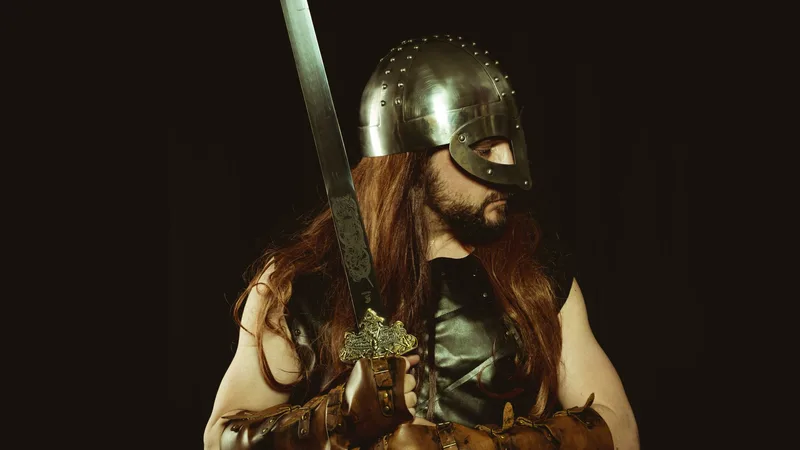
Norse mythology captivates with its tales of gods, giants, and the struggle between light and darkness. The psychological underpinnings of these stories intrigue audiences, especially within the…
The Allure of Norse Myths in Horror
Norse mythology captivates audiences with its rich array of gods, beasts, and the ever-present shadow of doom. This ancient lore often intertwines with elements of horror, making it a compelling subject for exploration. The dark themes and vivid imagery within these myths evoke a sense of fear and fascination. Understanding the roots of this allure reveals why these tales continue to resonate in modern storytelling formats, including video games and films
Iconic Figures and Their Terrifying Traits
Key figures in Norse mythology, such as Loki and Fenrir, embody traits that are inherently terrifying. Loki, the trickster god, represents chaos and unpredictability, invoking fear in those who encounter him. Fenrir, the monstrous wolf, symbolizes the inevitable destruction that looms over gods and mortals alike. These characters serve as central figures in dramatic narratives while highlighting the darker aspects of human nature, making them compelling subjects for horror enthusiasts.
Themes of Fate and Doom
The themes of fate and doom are prevalent in Norse myths, enriching the horror elements within these stories. The concept of Ragnarök, the prophesied end of the world, underscores the inevitability of death and destruction, creating a chilling atmosphere. This fatalism amplifies the tension within the narratives, drawing audiences into a psychological engagement with the material. As these themes appear in various media, they continue to resonate, influencing contemporary storytelling in video games and beyond.
Psychological Engagement in Gaming
The integration of Norse mythology into gaming provides an immersive experience that captivates players on multiple levels. The narrative depth found in these games often mirrors the complexity of ancient myths, offering rich storytelling that encourages emotional investment. This connection enhances player engagement, making the gaming experience not just about winning but also about experiencing a compelling tale. As players navigate through these narratives, they find themselves entangled in a web of excitement and tension, much like the stories of old.
Immersion Through Narrative
Storytelling is a powerful tool in gaming, allowing players to immerse themselves in narratives that echo the themes of Norse mythology. Games that incorporate these tales often provide players with a sense of purpose and connection to the characters and events. This level of engagement can lead to a more profound gaming experience, as players become invested in the outcome of the story. The intricate plots and character development found in these games create an experience that keeps players returning for more.
Fear and Adrenaline in Gameplay
The incorporation of horror elements into gameplay can significantly enhance the thrill of the experience. As players confront terrifying monsters or navigate treacherous scenarios, the adrenaline rush can be exhilarating. This element of fear heightens engagement and mirrors the darker aspects of Norse mythology. The blend of horror and gameplay captivates players, making them feel alive in their quest to overcome the challenges presented, thus reinforcing the connection between ancient myths and modern gaming.
The Intersection of Horror and Game Mechanics
The chilling narratives found in Norse mythology create a compelling backdrop for various forms of entertainment, including video games. These tales of gods, giants, and the impending doom of Ragnarök invoke fear and tension that can be effectively translated into game mechanics. By understanding how horror elements are integrated into gameplay, developers can create experiences that resonate on a psychological level, enhancing immersion and engagement for players. This intersection of horror and game mechanics can also inspire innovative approaches within casino entertainment.
Mechanics That Amplify Horror
Game mechanics that amplify horror often rely on sensory experiences and player engagement. Techniques such as limited visibility, sound cues, and unexpected events can heighten the sense of dread. For example, utilizing jump scares or environmental storytelling can draw players into a state of heightened alertness. These mechanics create a visceral experience and encourage players to remain on edge, which can be effectively adapted in casino games that incorporate themes of suspense and fear.
Player Decision-Making Under Duress
The psychological impact of horror significantly influences player decision-making. When faced with frightening scenarios, players may react impulsively or become overly cautious, altering their strategic choices. This dynamic can lead to interesting gameplay patterns, where the fear of failure outweighs the desire for victory. In casino environments, this concept can be applied to game design, where elements of chance and risk intertwine with horror themes, creating an engaging atmosphere that keeps players invested in the outcome.
Translating Horror Elements into Casino Themes
Norse mythology provides a rich source of horror elements that can inspire unique casino themes. The confrontation between gods and monsters, coupled with ominous prophecies of doom, offers a captivating narrative framework for slot games and table games alike. By harnessing these mythological stories, developers can create immersive gaming experiences that entertain and evoke the primal fears associated with these ancient tales. This blend of mythology and horror can enhance the overall theme of casino entertainment, attracting a diverse audience.
Norse Mythology as a Casino Theme
Incorporating Norse mythology into casino themes allows for a creative exploration of iconic figures and stories. Characters such as Odin, Thor, and Fenrir can be featured prominently in game design, providing players with a sense of familiarity and intrigue. The aesthetic elements derived from these myths—such as runes, Nordic landscapes, and ancient artifacts—can enhance the visual appeal of games. This thematic richness can attract players and create a deeper connection to the narratives that underpin these popular legends.
Game Design Inspired by Mythological Horror
Design elements drawn from mythological horror can enhance the player experience within casino games. Using atmospheric visuals, soundscapes, and storytelling techniques that reflect the eerie nature of Norse myths can create a unique ambiance. Elements like progressive jackpots tied to mythological events or characters can further engage players while maintaining a sense of suspense. By integrating these aspects into game design, casinos can offer entertainment that is not only thrilling but also rooted in the rich narratives of Norse mythology.
The Role of Visual and Auditory Elements
The haunting narratives of Norse mythology are often amplified by their visual and auditory representations. In horror-themed games, the art style and sound design evoke emotions and immerse players in a chilling atmosphere. Bold colors, dark shadows, and unsettling imagery create a sense of dread, while sound effects, from eerie whispers to thunderous roars, heighten the tension. Together, these elements can transform a simple story into an unforgettable experience that lingers long after the game is over.
Creating Atmosphere with Art and Sound
The effectiveness of horror in gaming largely hinges on the interplay between visual and auditory elements. Art can set the stage, with grotesque visuals or stunning landscapes that pull players into the depths of Norse lore. Meanwhile, sound design adds a layer of immersion; the creaking of wooden boats or the howl of a wolf can send shivers down one’s spine. These sensory details enhance the narrative and contribute to the overall experience, making players feel as if they are part of the unfolding horror.
User Experience in Horror-Centric Games
User experience is crucial in retaining players, especially in horror-centric games. When visuals and sound create an engaging atmosphere, players are more likely to stay invested in the narrative. A well-crafted horror experience can lead to emotional connections, drawing players back to face their fears repeatedly. This engagement can translate to casinos, where captivating themes and immersive environments can keep players entertained for extended periods.
Future Trends in Gaming and Casino Entertainment
The gaming industry is on the brink of significant transformations, particularly in how horror elements are integrated into gameplay. Emerging technologies such as virtual reality (VR) and augmented reality (AR) have the potential to revolutionize player experiences, offering new ways to engage with horror narratives. These technologies can create more immersive environments where players can physically interact with the chilling elements of Norse mythology. As these innovations develop, they may redefine the boundaries of horror gaming.
Emerging Technologies in Gaming
As VR and AR technologies advance, the future of horror gaming looks promising. These tools allow for a more visceral experience, letting players step directly into the terrifying worlds inspired by Norse myths. Imagine facing a fearsome creature in a dark forest, where every rustle of leaves feels real. Such experiences can elevate the emotional stakes, pushing players to confront their fears in ways traditional gaming cannot. This evolution will likely attract a broader audience, including those who enjoy immersive casino experiences.
Potential for Cross-Over Between Gaming and Casinos
The integration of gaming elements into casino entertainment is becoming increasingly viable. As horror games gain popularity, casinos may explore themes that resonate with players who enjoy narratives filled with suspense and fear. By incorporating horror-inspired slots or interactive experiences that utilize VR technology, casinos can create unique offerings that appeal to gamers. This potential crossover may enhance player engagement and attract a new demographic to the casino floor, merging the thrill of gaming with the excitement of gambling.