Gods and Monsters: The Influence of Norse Lore in Games
George Murray ·
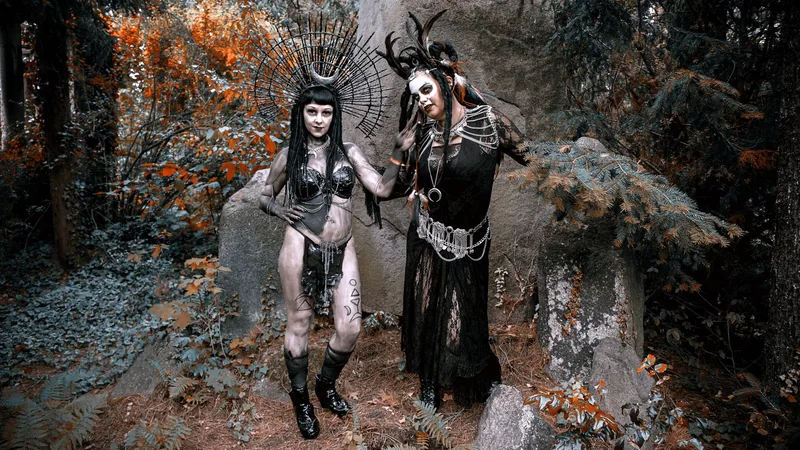
In the damp, shadowy halls of Asgard, a battle rages between the gods and the creatures of the night. Thor wields his hammer, Mjölnir, against the encroaching frost giants while Freya summons her…
The Foundations of Norse Mythology in Gaming
Norse mythology has served as a source of inspiration for game designers, offering rich narratives and complex characters. The tales of gods, giants, and otherworldly creatures resonate within the gaming community, allowing developers to weave ancient stories into interactive experiences. From epic battles to moral dilemmas, these myths enhance gameplay and engage players on multiple levels. Exploring the integration of Norse elements in game design reveals timeless themes that captivate modern audiences
Origins of Norse Mythology in Game Design
Many contemporary games draw their narrative structures from the ancient myths of Norse culture. These stories often feature heroic quests, themes of fate, and the struggle between good and evil, elements that resonate with players. Game designers utilize characters such as Odin, Thor, and Loki to create dynamic gameplay scenarios that reflect their mythological attributes. Grounding their plots in these age-old tales allows developers to offer players a unique blend of history and fantasy, enhancing the overall gaming experience.
Cultural Relevance in Gaming
The influence of Norse mythology on the gaming industry is both profound and enduring. Titles that incorporate these themes attract players interested in mythology and educate them about cultural heritage. Games featuring Norse gods have sparked discussions around folklore, history, and their relevance today. As the gaming industry continues to evolve, the integration of Norse lore remains a popular choice, bridging ancient narratives and modern storytelling.
Key Games Featuring Norse Gods and Creatures
Several standout games effectively showcase the depth of Norse mythology, weaving its elements seamlessly into their narratives. These games entertain and immerse players in a rich world of lore and adventure. The portrayal of Norse gods and creatures adds layers to gameplay, inviting exploration and engagement. Analyzing these key titles reveals their contribution to our understanding of both gaming and mythology.
God of War Series
The God of War series exemplifies how Norse mythology can be integrated into gameplay. The latest installment shifts the focus from Greek to Norse mythology, introducing players to a new pantheon of gods and monsters. Kratos' encounters with figures like Baldur and Freya are thrilling and steeped in mythological significance. By blending combat with storytelling, the series allows players to experience the challenges and complexities of Norse lore firsthand, enriching their gameplay experience.
Hellblade: Senua's Sacrifice
Hellblade: Senua's Sacrifice enhances the horror experience by incorporating Norse elements into its narrative. The protagonist, Senua, embarks on a harrowing journey through a world influenced by Viking mythology and the psychological struggles of mental illness. The game’s depiction of Norse mythological creatures heightens the tension and emotional impact of the story. This approach creates a chilling atmosphere and invites players to reflect on deeper themes of fear and resilience, making it a noteworthy title in horror gaming.
The Role of Myth in Storytelling
Norse mythology serves as a foundation for storytelling, weaving intricate narratives that captivate players. The influence of gods and monsters in these tales extends beyond mere character backgrounds; they shape the experiences players undergo in the game world. As players navigate challenges and confront mythological beings, they reflect on the archetypes that define their journey. This connection enhances immersion and fosters a deeper understanding of the mythological roots that inform character development.
Character Development Through Mythological Archetypes
In Norse-inspired games, character development often hinges on mythological archetypes that resonate with players. Characters embody traits associated with gods, giants, and other beings from Norse lore, offering a sense of familiarity and depth. For instance, a hero may reflect the qualities of Thor, showcasing bravery and strength, while a villain could mirror the cunning of Loki. These archetypes create dynamic narratives that engage players emotionally and intellectually, allowing for personal connections with the story. As players progress, they may take on roles that echo these mythic figures, enhancing their overall gaming experience.
Narrative Techniques in Norse-Inspired Games
Narrative techniques employed in Norse-inspired games often draw on themes and motifs prevalent in the myths. Nonlinear storytelling can mirror the complex relationships between gods and mortals, inviting players to piece together the plot as they explore the game world. Flashbacks and visions may reveal a character's past, linking them to the broader mythos. Such techniques enrich storytelling and encourage players to engage with the lore more deeply. This connection to Norse mythology can extend beyond gaming, influencing other forms of entertainment, including casino games that incorporate these themes.
Horror Elements Tied to Norse Lore
The integration of horror elements in Norse-themed games offers a unique exploration of the darker aspects of mythology. Norse tales are rife with eerie creatures and terrifying narratives that evoke fear and fascination. The atmospheric design of these games reflects this horror, immersing players in environments that are both beautiful and unsettling. By tapping into the rich vein of Norse horror, developers create experiences that are thrilling and deeply rooted in cultural mythology, bridging ancient tales and modern gameplay.
Monsters Rooted in Mythology
Norse mythology is home to a diverse array of monsters that serve as formidable adversaries in modern games. Creatures like Fenrir, the monstrous wolf, and Jörmungandr, the Midgard Serpent, embody the fearsome traits of their mythological origins. These beings are not merely obstacles; they represent the chaos and danger inherent in the world of the gods. Their presence in games enhances the horror aspect, creating tension as players confront these legendary figures. Recognizing these mythological roots enriches the gaming experience, offering a deeper appreciation for the sources of inspiration behind the horror elements.
Atmospheric Design and Horror Mechanics
The design of game environments mirrors the horror themes found in Norse mythology, employing mechanics that amplify the sense of dread. Dark forests, icy caverns, and desolate landscapes evoke feelings of isolation and fear, reminiscent of the bleakness present in many Norse tales. Sound design plays a pivotal role as well, with haunting melodies and unsettling noises enhancing the atmosphere. By utilizing these elements, developers craft immersive experiences that draw players into the heart of Norse horror. This approach resonates with gamers and the growing interest in themed casino games that explore similar narratives and atmospheres.
From Gaming to Casino Entertainment
Norse mythology has long captivated audiences through its rich narratives and iconic characters. As this lore finds its way into the gaming world, it opens doors to new forms of entertainment, particularly in the online casino space. The fusion of mythological elements with engaging gameplay creates a unique experience that appeals to both gamers and gamblers. This transition from immersive storytelling to interactive gaming environments marks an evolution in how we perceive entertainment.
Norse Mythology in Online Slots
The incorporation of Norse themes in online slots has transformed how players engage with casino games. Titles featuring gods like Odin and Thor draw on familiar imagery and enhance the gaming experience with compelling narratives. These slots often include features like bonus rounds and free spins that reflect the lore's epic battles and heroic quests. Thematic depth attracts players and keeps them entertained, making each spin feel like part of an unfolding saga.
Player Engagement Through Familiar Lore
Mythological narratives significantly impact player retention in online casinos. When players connect with characters and stories they know, it fosters familiarity and investment in the game. This emotional engagement can lead to longer play sessions and increased loyalty to specific titles. Casinos that effectively integrate these familiar lore elements into their games tend to see higher levels of player satisfaction, as the lore creates a bridge between entertainment and personal connection.
Future Trends: Norse Mythology in Gaming and Gambling
The influence of Norse mythology in gaming has captivated developers and players. As we look toward the future, we can expect a surge of innovative game designs that draw upon the rich narratives, characters, and themes found in these ancient tales. This exploration of mythological elements enhances storytelling and provides immersive experiences that resonate with players. With the popularity of this genre, the intersection of lore and technology is paving the way for new gaming experiences.
Innovations in Game Design Inspired by Norse Lore — What upcoming games might reflect this mythology.
Developers are increasingly incorporating Norse mythology into upcoming games, leading to a fresh wave of creativity. Titles that leverage iconic figures such as Thor, Odin, and Loki are becoming more prevalent, often blending traditional storytelling with modern gameplay mechanics. Expect to see innovative features like dynamic environments that adapt to player choices, creating a more engaging experience. As these games emerge, they will likely include elements that appeal to both hardcore gamers and casual players, expanding their reach and impact.
The Convergence of Gaming and Casino Experiences — How the lines between gaming and gambling continue to blur.
The merging of gaming and casino experiences is becoming apparent as the industry evolves. Many developers are now designing games that incorporate gambling mechanics into their narratives, allowing players to engage with the lore while participating in casino-style gameplay. This trend captivates players and opens new avenues for revenue in the iGaming sector. As more titles embrace this approach, players can anticipate an enriched experience that combines the thrill of gambling with the depth of storytelling found in Norse mythology.