The Horror Elements in Norse Mythology
George Murray ·
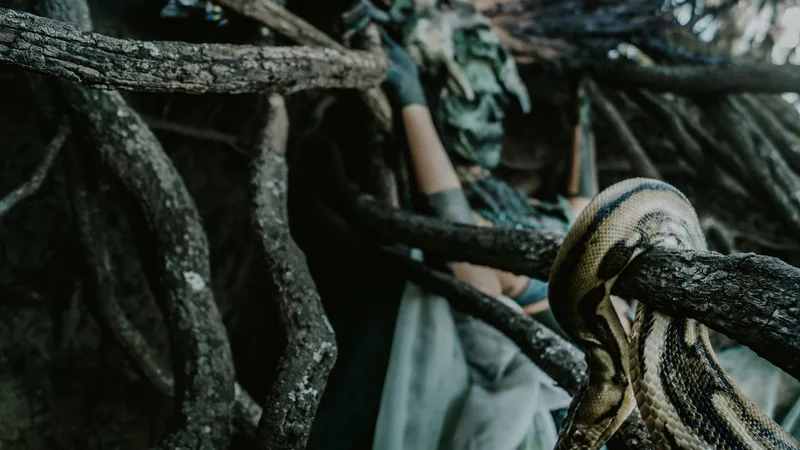
In the cold, dark tales of Norse mythology, horror elements intertwine with narratives of gods, giants, and the end of the world. From the haunting presence of Hel, the goddess of the underworld, to…
The Horrific Aspects of Hel and Her Domain
In Norse mythology, Hel stands as a chilling figure, ruling over a realm that embodies death and dread. She is often depicted as a half-living, half-dead being, visually representing the duality of life and death. Hel's domain serves as a stark reminder of mortality, a place where souls are sent after their time on Earth has ended. Her character invokes fear and respect, making her one of the most enigmatic figures in Norse lore
Understanding Hel's Role
Hel's role in Norse mythology is crucial, as she governs the souls of those who did not die in battle, a fate deemed less honorable. Her presence looms over narratives surrounding death, providing a necessary contrast to the glorified deaths of warriors in Valhalla. The tales about her often reflect the culture's views on fate and the afterlife, drawing a line between honor and disgrace. This duality enhances her terrifying nature and enriches the stories that revolve around her character.
Imagery of the Underworld
The realm of Hel, often referred to simply as Hel, is depicted as a grim and shadowy underworld. It is said to be a cold and desolate place, where the souls of the deceased wander in a state of melancholy. Imagery associated with Hel's domain includes icy rivers and dark landscapes, creating an atmosphere of despair and isolation. This portrayal illustrates the fear of death and the unknown, making it a powerful component of Norse mythological narratives.
Fenrir: The Wolf of Prophecy and Destruction
Fenrir, the monstrous wolf of Norse mythology, symbolizes chaos and foretells destruction. His existence is steeped in prophecy, indicating that he will play a pivotal role during Ragnarök, the end of the world. The stories of Fenrir evoke a sense of impending doom, highlighting the inevitability of fate in Norse belief. As a creature born from the union of a giantess and the trickster god Loki, Fenrir embodies the unpredictable nature of chaos that permeates the myths.
The Birth and Binding of Fenrir
Fenrir's origins are as fearsome as the creature himself. Born to Loki and the giantess Angerboda, he was destined for greatness, marked by his terrifying power. The gods, recognizing the threat he posed, decided to bind him to prevent his destructive potential from being unleashed. The tales of his binding underscore the tension between fate and free will, as the gods' attempts to control him ultimately lead to their downfall during Ragnarök.
Symbolism of Chaos in Fenrir
Fenrir is not just a wolf; he symbolizes chaos and the uncontrollable forces of nature. His rise to power reflects the Norse belief in the inevitability of destruction intertwined with creation. The myths surrounding him illustrate the struggle against chaos, showing how even the gods must face the consequences of their actions. Fenrir’s ferocity and the prophecy of his role in Ragnarök serve as a reminder of the thin line between order and chaos, a theme resonating in both mythology and modern storytelling.
The Role of Ragnarök: The End Times
Ragnarök stands as a pivotal event in Norse mythology, symbolizing the cataclysmic end of the world and the subsequent rebirth. This prophecy intertwines themes of horror and inevitability, shaping the narrative surrounding the gods and their fates. The impending doom foretold in Ragnarök reflects the ancient Norse worldview, where even the mightiest gods are not immune to destruction. Understanding Ragnarök's significance allows for an exploration of deeper themes of fate and existential dread that permeate Norse lore.
Prophecies of Doom
The prophecies surrounding Ragnarök detail a series of catastrophic events leading to the death of major gods, including Odin and Thor. These predictions serve as a grim reminder of the transient nature of power and glory. As the world descends into chaos, the balance of life and death is disrupted, leaving both mortals and deities to confront their fates. The implications of these prophecies extend beyond myth, resonating with the human experience of facing the unknown.
The Horror of Finality
Finality is a central theme in the narrative of Ragnarök, where death leads to rebirth. This cyclical nature evokes a sense of horror, as it confronts characters with the inevitability of their demise. The destruction of the old world paves the way for a new creation, but the fear of loss and the unknown looms large. This duality of death and rebirth illustrates how horror and hope can coexist, a concept echoed in various aspects of life, including the thrill of risk and reward in gambling.
Fear and Fate: The Norns and Their Influence
The Norns, the enigmatic weavers of fate in Norse mythology, play a crucial role in determining the destinies of gods and mortals alike. Their influence is profound, shaping the lives of individuals and the trajectory of the cosmos. The psychological impact of their prophecies introduces a layer of horror, as characters grapple with the knowledge of their predetermined paths. This intersection of fear and fate provides a compelling lens to examine human behavior and decision-making.
The Norns as Fates
In Norse mythology, the Norns are often depicted as three powerful beings who control the threads of fate. Their ability to foresee and dictate the outcomes of lives instills both reverence and dread among those who believe in their power. By weaving the destinies of individuals, they embody the idea that fate is inescapable. This concept parallels the uncertainty found in casino games, where players navigate their fates with every roll of the dice or turn of a card.
The Horror of Knowing One's Fate
The psychological horror stemming from the Norns' prophecies lies in the awareness of one’s inevitable destiny. This knowledge can paralyze individuals, leading to a sense of futility and despair. The struggle against a predetermined outcome mirrors the tension experienced by gamblers who face the risk of loss. Just as the Norns dictate the fates of gods and men, chance and luck dictate the outcomes in the realm of iGaming, where every decision carries weight and consequence.
Connecting Norse Horror to Modern Entertainment
Norse mythology is rich with themes of horror and the macabre, captivating audiences for centuries. These elements have found new life in contemporary video games, where chilling tales of gods, giants, and the underworld are woven into immersive narratives. As players engage with these dark stories, they encounter action, suspense, and psychological thrills that echo the original myths. The influence of Norse horror is evident in how these games challenge players to confront fear, fate, and the unknown within their interactive experiences.
Norse Mythology in Gaming
Modern video games often draw upon the horror aspects of Norse mythology, creating environments filled with tension and dread. Titles like "God of War" and "Hellblade: Senua's Sacrifice" showcase how these ancient stories can be reimagined to evoke emotional responses. Players navigate through landscapes inspired by Norse lore, facing off against creatures that embody the darkness of the myths. The integration of horror elements enhances gameplay and deepens the connection to the source material, ensuring that the legends remain alive in popular culture.
The Rise of iGaming Themes
The influence of Norse mythology has also made its way into online casinos, with numerous games inspired by these ancient tales. Slot games featuring characters like Thor, Loki, and Freya often incorporate horror motifs that reflect the darker aspects of the myths. These games allow players to experience the thrill of the unknown while potentially winning. As developers continue to explore this theme, the intersection of Norse horror and iGaming is becoming an exciting niche for players seeking both entertainment and cultural resonance.
The Future of Horror in iGaming
The iGaming industry is evolving, with a noticeable shift toward horror-themed games inspired by various mythologies, including Norse tales. As players seek more immersive and thrilling experiences, game developers are responding with innovative designs that emphasize suspense and fear. The future of horror in casino entertainment promises to blend storytelling with gameplay, creating an engaging atmosphere that captivates players. As technology advances, the potential for interactive horror experiences in iGaming will only continue to grow.
Trends in Game Design
Emerging trends in game design are pushing the boundaries of horror within iGaming. Developers are experimenting with atmospheric graphics, sound design, and narrative depth to create chilling experiences that resonate with players. Features such as augmented reality and virtual reality are becoming more common, allowing players to immerse themselves in a terrifying world inspired by Norse mythology. As these trends continue to develop, the horror elements in iGaming will likely become increasingly complex and engaging, attracting a broader audience.
Cultural Resonance in Casino Entertainment
Norse horror motifs hold significant cultural resonance, appealing to players in the casino entertainment space. Themes of fate, struggle, and the supernatural found in these myths strike a chord with many, offering a connection to shared human experiences. As online casinos incorporate these elements into their games, they tap into a rich vein of storytelling that enhances player engagement. This cultural relevance attracts players and enriches their gaming experience, as they explore the darker side of Norse mythology through the thrill of gambling.