Analysis
The Horror Elements in Norse Mythology
In the cold, dark tales of Norse mythology, horror elements intertwine with narratives of gods, giants, and the end of the world. From the haunting presence of Hel, the goddess of the underworld, to…
From Norse Mythology and Horror toward casino entertainment.
Top story
Dive into Norse mythology and horror themes in gaming, with insights into their connection to casino entertainment.
George Murray · Profile
Analysis
In the cold, dark tales of Norse mythology, horror elements intertwine with narratives of gods, giants, and the end of the world. From the haunting presence of Hel, the goddess of the underworld, to…
Analysis
In the damp, shadowy halls of Asgard, a battle rages between the gods and the creatures of the night. Thor wields his hammer, Mjölnir, against the encroaching frost giants while Freya summons her…
Analysis
In the dimly lit halls of ancient Norse mythology, tales of heroes like Thor and Odin have captivated audiences for centuries. Their legendary feats of strength, bravery, and cunning resonate through…
Analysis
Norse mythology, rich with tales of gods, giants, and the supernatural, has captivated audiences and inspired numerous works of art and literature. From the fearsome Loki to the wise Odin, these…
Analysis
Norse mythology has captivated audiences with its tales of gods, giants, and epic battles. The narratives and characters create a compelling backdrop that has inspired various forms of entertainment,…
Analysis
Norse mythology captivates with its tales of gods, giants, and the struggle between light and darkness. The psychological underpinnings of these stories intrigue audiences, especially within the…
Norse mythology, steeped in tales of gods, giants, and the supernatural, has long captivated audiences in various forms of media. These ancient stories, rich with horror and wonder, inspire a unique blend of gaming experiences that transport players into a world of epic battles and dark enchantments
As we explore the intersection of Norse mythology and horror in gaming, we uncover how these themes shape narratives and gameplay mechanics, creating immersive experiences that resonate with players. The allure of these mythological tales connects intriguingly to the world of casino entertainment, where themes and stories can enhance the gaming experience.
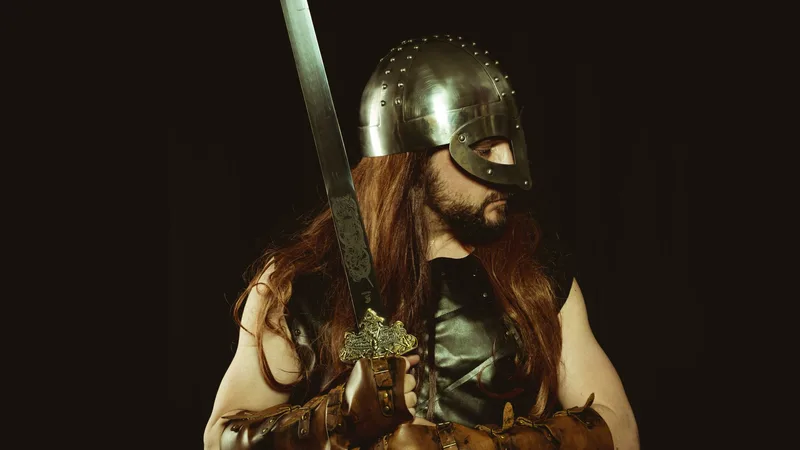
Norse mythology has long captivated audiences with its rich collection of gods, heroes, and epic tales of valor and treachery. In modern gaming, these ancient stories and characters find new life, drawing players into immersive worlds where they can interact with iconic figures like Odin and Loki. Game developers are increasingly leveraging these mythological narratives, creating experiences that resonate with themes of power, conflict, and the struggle between good and evil. Players engage with these elements, encountering thrilling gameplay alongside a deeper appreciation for the cultural significance of Norse legends.
Characters such as Odin, the all-father and god of wisdom, and Loki, the trickster god, are central to many gaming narratives today. Odin's pursuit of knowledge often translates into quests that challenge players to make critical decisions, reflecting the weight of destiny in their hands. Loki's unpredictable nature introduces elements of chaos, compelling players to navigate through uncertainty and deception. These portrayals highlight the personalities of these deities and encourage players to explore themes of choice and consequence within their gaming experiences.
The concepts of fate and destiny are deeply embedded in Norse mythology and frequently echoed in modern game narratives. Many games incorporate the idea that a player's actions can alter their fate, creating an engaging dynamic that keeps players invested in their journey. This exploration of destiny often leads to moral dilemmas, where players confront the implications of their choices. By weaving these themes into gameplay, developers create a compelling narrative structure that challenges players to reflect on their paths and the larger forces at play in the universe
The horror elements inherent in Norse mythology add depth and intrigue to the narratives explored in modern gaming. Tales of gods and monsters are often steeped in fear and the unknown, inviting players to confront their own anxieties as they navigate these treacherous worlds. This blend of horror and mythology enhances the gaming experience and serves as a reminder of the darker aspects of human existence. Players encounter both the thrill of discovery and the chilling realization of the dangers that lurk in the shadows.
The fear of the unknown is a recurring motif in Norse legends, manifesting in various forms throughout the stories. Characters often face ominous prophecies and the threat of unforeseen consequences, creating an atmosphere of tension and uncertainty. In gaming, this fear is amplified by atmospheric design and storytelling choices that keep players on edge as they explore unfamiliar territories. The psychological impact of these elements enhances player immersion, drawing them deeper into the narrative and challenging their resolve against lurking horrors.
Norse creatures such as Fenrir, the monstrous wolf, and Jörmungandr, the world serpent, embody the terror that permeates Norse mythology. Their presence in gaming often serves as a catalyst for conflict, forcing players to confront formidable foes that test their skills and courage. These mythical beasts are visually striking and steeped in rich lore, providing players with a deeper understanding of the challenges they face. By integrating these legendary monsters into gameplay, developers tap into primal fears that resonate with players and enhance the overall experience.
Norse mythology, featuring gods, giants, and dark fates, has long inspired game designers. The intersection of horror and myth provides opportunities to engage players through tension and fear. By harnessing these elements, developers create immersive experiences that captivate and terrify, ensuring players remain on the edge of their seats. The mechanics and visuals play crucial roles in crafting these chilling adventures
Design choices aimed at evoking suspense hinge on gameplay mechanics that incorporate uncertainty and risk. For instance, limited resources or unpredictable enemy behavior can heighten the sense of dread as players navigate perilous environments. Additionally, implementing sound design that includes eerie audio cues or sudden silences amplifies the feeling of isolation and danger. These mechanics are integral in fostering an atmosphere that keeps players engaged and anxious, mirroring the themes found in Norse horror tales.
The art direction in horror games inspired by Norse mythology plays a significant role in enhancing the overall experience. Dark, foreboding landscapes and character designs reflecting the grotesque elements of the myths contribute to an unsettling atmosphere. Color palettes dominated by deep blues and blacks, combined with stark contrasts, create a haunting visual experience. This attention to detail in visuals immerses players in the game world and reinforces the terrifying narratives drawn from ancient tales.
Several games have successfully blended Norse mythology and horror, achieving both critical acclaim and a strong player following. These titles stand out for their innovative gameplay and ability to weave intricate narratives that resonate with audiences. By examining these case studies, we can identify what makes them effective in merging these two genres. Ultimately, these games have paved the way for a new wave of gaming experiences that challenge players in unique ways.
Games that effectively integrate Norse horror themes have often received positive reviews from both critics and players. Titles like "Hellblade: Senua's Sacrifice" and "God of War" have been praised for their storytelling and atmospheric tension, drawing players into their dark, mythological worlds. The combination of engaging mechanics and compelling narratives has led to high player engagement and satisfaction. This positive reception demonstrates that successfully merging these elements can lead to memorable gaming experiences.
The narratives in these games often delve into themes of fate, loss, and the struggle against insurmountable odds, reflecting the essence of Norse mythology. Players find themselves invested in the characters' journeys, as they confront both personal demons and mythological horrors. This depth of storytelling enhances player engagement and encourages emotional connections to the game. As players navigate these harrowing tales, they are often left contemplating the darker aspects of their own experiences, creating a lasting impact that extends beyond gameplay.
Norse mythology and horror have captivated audiences, creating a rich collection of narratives that spark the imagination. As game developers explore these themes, they transition into the realm of casino gaming, where players seek both entertainment and excitement. The combination of mythological elements with the thrill of gambling creates unique experiences that resonate with players. In this section, we investigate how these themes are being integrated into modern slot games and casino experiences.
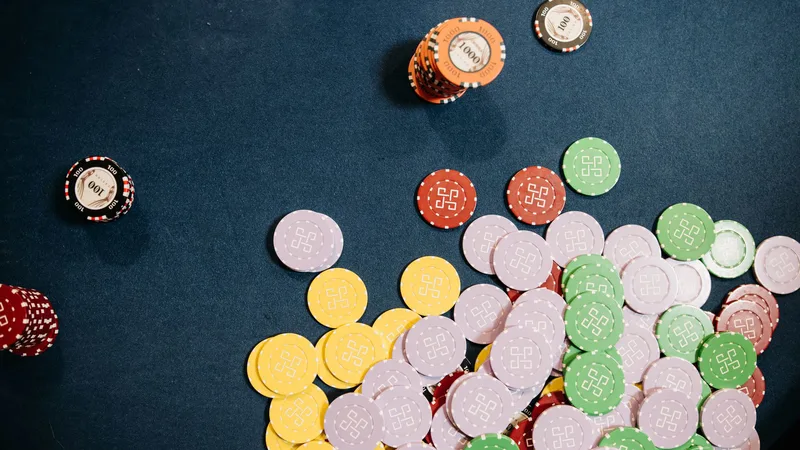
Norse myths serve as an incredible source of inspiration for slot game developers. Titles like "Vikings Go Wild" and "Thor: Hammer Time" showcase characters and stories drawn from ancient lore, blending traditional narratives with engaging gameplay mechanics. Players are not just spinning reels; they are immersing themselves in epic tales of gods and heroes, enhancing their gaming experience. The visual and auditory elements of these games often reflect the grandeur of Norse mythology, making each session feel like a journey through time.
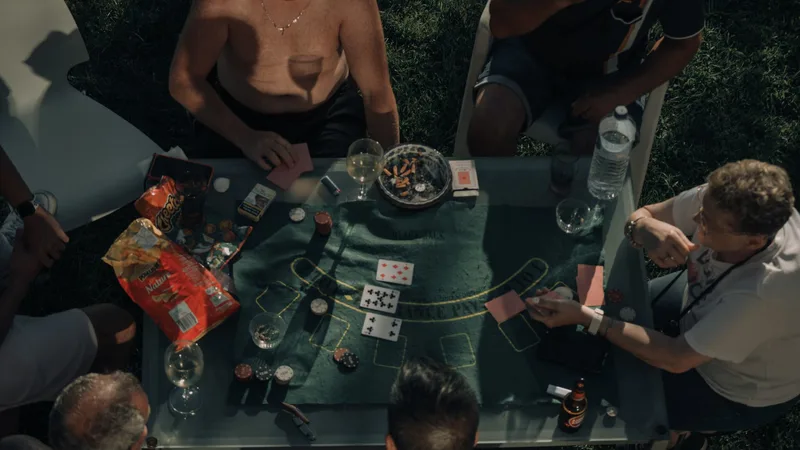
Horror themes find a natural place in casino gaming, appealing to players who enjoy adrenaline and suspense. Games that incorporate horror elements, such as "Blood Suckers" and "The Walking Dead," draw players in with their eerie atmospheres and gripping narratives. These titles utilize suspenseful sound effects and chilling graphics to enhance the experience. By merging horror with gaming, casinos tap into a unique market segment that craves both thrills and the chance to win, creating a compelling environment for players.
The fusion of mythology and iGaming is paving the way for innovative game development. As technology advances, developers are increasingly able to create immersive experiences that blend interactive storytelling with traditional gaming elements. The future of gaming looks promising, with an emphasis on engaging narratives that draw from rich mythological sources combined with modern gameplay mechanics. This evolution attracts seasoned players and entices new audiences to explore the world of online casinos.
As developers experiment with integrating mythology into their games, we can expect to see a diverse range of themes and characters from various cultures worldwide. This diversity enriches the gaming experience and allows players to connect with stories that resonate with them personally. The incorporation of mythological elements can lead to educational opportunities, where players learn about different cultures and their beliefs while enjoying their favorite pastime.
Innovations in game development are revolutionizing how mythology and horror are presented in iGaming. Developers are now utilizing advanced graphics, virtual reality, and interactive storytelling techniques to create experiences that captivate players. Games that adapt to player choices and provide unique outcomes based on mythological narratives are becoming more popular. This trend enhances engagement and pushes the boundaries of how players interact with casino games, making each session a unique adventure.
Player preferences shape the development of mythological and horror-themed games in the casino industry. Developers closely monitor trends in player interests, ensuring that new releases align with audience desires. By understanding the appeal of certain themes, casinos can curate their offerings to meet client expectations. This adaptability is crucial in a competitive market, as player preferences will continue to evolve, driving the future of gaming toward more immersive and engaging experiences.
Additionally, feedback from players helps developers fine-tune gameplay mechanics and narrative structures. This continuous loop of player input and game design adjustment is essential for creating titles that resonate with audiences. As the industry moves forward, the collaborative relationship between players and developers will likely lead to innovative and culturally rich gaming experiences.