Norse Heroes: Their Legacy in Modern Gaming
George Murray ·
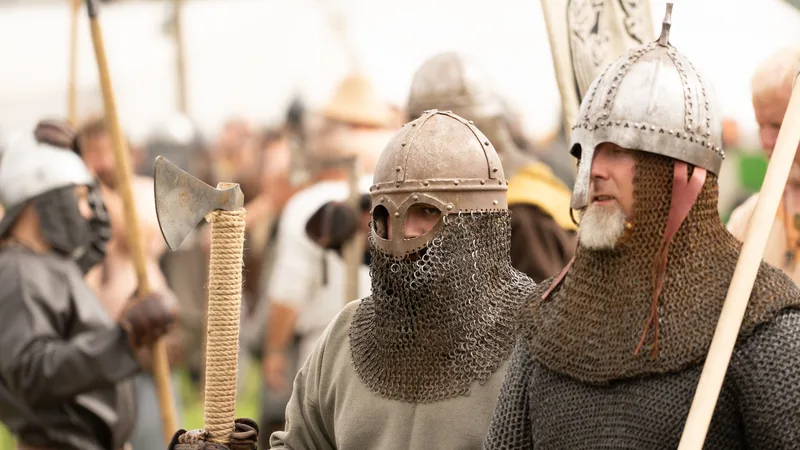
In the dimly lit halls of ancient Norse mythology, tales of heroes like Thor and Odin have captivated audiences for centuries. Their legendary feats of strength, bravery, and cunning resonate through…
The Representation of Norse Heroes in Video Games
Norse mythology has a vibrant expression in video games, with heroes like Thor and Loki taking center stage. These characters are reimagined to resonate with contemporary audiences. Their strengths, struggles, and moral complexities make them compelling figures that players can connect with. As we explore these representations, we see how they influence player engagement and narrative depth in modern gaming
Key Characters and Their Attributes
Prominent Norse heroes in gaming embody traits of strength, cunning, and resilience. Characters like Thor are depicted with immense power, while others, like Loki, showcase intelligence and trickery. These attributes define their roles within the game and influence how players interact with them. The depth of these characters allows for a richer gaming experience, as players identify with their heroic qualities and moral dilemmas.
Narrative Arcs and Player Engagement
The storylines surrounding Norse heroes significantly enhance the overall gameplay experience. Players are drawn into intricate narratives that mirror the epic tales of old, filled with quests, battles, and personal growth. These arcs create a sense of investment, encouraging players to explore the game's world more deeply. As they progress, the emotional connections formed with these characters lead to a more immersive and fulfilling gaming experience.
Cultural Impact of Norse Mythology in Gaming
The integration of Norse mythology in gaming has sparked discussions about cultural representation and interpretation. Developers often navigate between staying true to historical accounts and adapting these stories for modern audiences. This dynamic shapes how players perceive these legends and influences the broader cultural context. As we examine this impact, we also consider how these narratives find their way into other entertainment forms, including casinos.
Historical Accuracy versus Creative License
The balance between historical accuracy and creative license is a crucial discussion point in the portrayal of Norse mythology in gaming. Some games strive for authenticity, while others take liberties to create engaging narratives that resonate with players. This creative freedom leads to innovative character designs and plot twists that may not align with traditional accounts. However, these adaptations can breathe new life into ancient tales, making them relevant for contemporary audiences.
Cross-Media Influence
Gaming's portrayal of Norse mythology is influenced by cross-media adaptations, including films and literature. Iconic movies and novels have popularized these myths, paving the way for video games to explore them in new contexts. This synergy between different media creates a richer storytelling experience, allowing players to encounter these legends in diverse ways. As gaming evolves, the influence of these narratives can extend beyond entertainment, even reaching into casino-themed games that draw upon mythological elements.
Game Mechanics Inspired by Norse Legends
Norse mythology has long inspired modern gaming, particularly in how game mechanics reflect the extraordinary abilities of legendary heroes. Developers often draw from the rich array of gods, monsters, and epic battles to create engaging combat systems that resonate with players. By incorporating legendary powers, these games allow players to step into the shoes of iconic figures like Thor or Odin, utilizing unique abilities that mirror their mythological counterparts. This connection enhances gameplay and deepens the narrative experience.
Combat Systems and Mythical Powers
Combat systems in games inspired by Norse legends frequently feature mechanics that embody the heroic traits of mythological figures. For instance, players might wield a hammer that channels lightning or engage in battles that emphasize teamwork and strategy, reminiscent of the gods' collaborative efforts in mythology. These mechanics often include special abilities or ultimate moves that reflect the grandeur of the heroes' legendary feats. Such design choices create an immersive experience, allowing players to feel empowered and connected to the mythological narratives.
Quest Structures and Their Origins
Quest structures in these games are deeply rooted in mythological themes, drawing players into epic journeys that echo the adventures of Norse heroes. Missions may involve retrieving lost artifacts, battling fearsome creatures, or navigating treacherous landscapes, all inspired by ancient tales. The design of these quests not only provides engaging gameplay but also educates players about the rich lore surrounding Norse mythology. By completing these quests, players gain a sense of accomplishment and a deeper appreciation for the stories that have shaped the gaming experience.
Fan Community and Norse Mythology
The intersection of Norse mythology and gaming has fostered vibrant fan communities that actively engage with the stories and characters they adore. These communities often interpret and expand upon the mythological narratives, sharing insights, theories, and artwork that enrich the overall experience. As fans dive deeper into the lore, they contribute to a growing body of knowledge that enhances their enjoyment of the games and the cultural significance of Norse myths in modern entertainment. This engagement fosters a sense of belonging and shared passion among fans.
Fandom and Mythology Interpretation
Fandom surrounding Norse mythology in gaming often leads to unique interpretations and discussions about the characters and stories involved. Fans analyze relationships between gods and mortals, exploring themes of power, sacrifice, and heroism that resonate within the games. This collective dialogue enriches the gaming experience and highlights the enduring relevance of these ancient tales. By engaging with the mythology, fans contribute to a broader understanding of how these stories continue to influence contemporary narratives.
User-Generated Content
User-generated content significantly shapes the narrative landscape of games inspired by Norse mythology. Fans create mods, artwork, and fan fiction that expand on the existing lore, allowing them to express their creativity and passion for the stories. This content often reflects personal interpretations of the myths, providing fresh perspectives that contribute to the richness of the gaming community. Additionally, fan involvement in crafting narratives creates a more dynamic and interactive experience, further blurring the lines between creator and audience.
Transition from Gaming to Casino Entertainment
Norse mythology has captivated audiences through its rich narratives and complex characters. This fascination has transitioned into gaming, particularly in the development of slot games that draw heavily on these ancient tales. The intertwining of Norse themes in modern gaming pays homage to the myths while providing a fresh avenue for engaging players. As we explore this transition, it becomes evident how these themes have paved the way for new forms of entertainment within the casino sector.
Norse Themes in Slot Games
Many online slot games are inspired by Norse mythology, featuring iconic figures like Thor, Odin, and Loki. These games incorporate impressive visuals and soundtracks that reflect the epic nature of the myths. Players find themselves spinning reels adorned with symbols such as Mjölnir and the Yggdrasil tree, which deepen the immersive experience. Additionally, the narrative elements within these games often include quests and challenges that echo the heroic sagas, making the gameplay both entertaining and meaningful.
Interactive Features and Player Experience
Modern slot games leverage interactive features that enhance player engagement, transforming the experience beyond mere spinning reels. Many of these games include bonus rounds, free spins, and interactive storylines that invite players to partake in the action. For instance, a player might unlock a special feature by completing a certain task, mirroring the quests of Norse heroes. This level of interactivity retains player interest and fosters a sense of connection to the mythology that inspires these games.
Future Trends: Norse Influence in iGaming
The influence of Norse mythology in gaming is set to evolve as technology advances. Innovations such as augmented reality and virtual reality are beginning to reshape how players interact with narratives and characters. These technologies can create immersive environments where players feel as if they are part of the mythological world. As we look to the future, the potential for Norse-inspired gaming experiences will likely expand, offering more dynamic interactions within the iGaming sector.
Emerging Technologies and Their Impact
Emerging technologies are revolutionizing the gaming experience, particularly in the context of Norse mythology. For example, virtual reality can transport players to the realms of Asgard and Midgard, allowing them to engage with the environment in new ways. This technological evolution encourages game developers to think creatively about incorporating narrative elements into gameplay. As these technologies become more mainstream, the depth and richness of Norse-themed games are expected to increase.
Potential for New Game Development
The future of game development is bright for titles inspired by Norse mythology. Developers are likely to explore new narratives and gameplay mechanics that expand on traditional themes. Imagine a game where players can choose their own path as a Norse god, influencing outcomes based on their decisions. This open-world approach could revolutionize how players experience mythology, providing endless possibilities for creativity and engagement in the iGaming space.